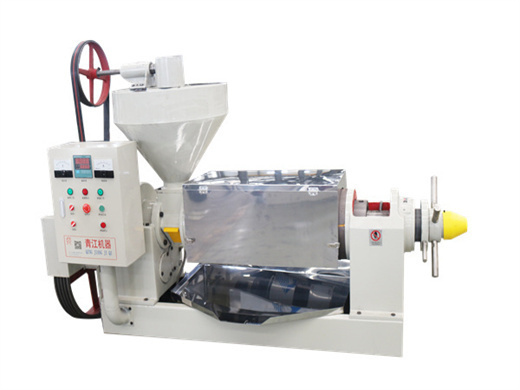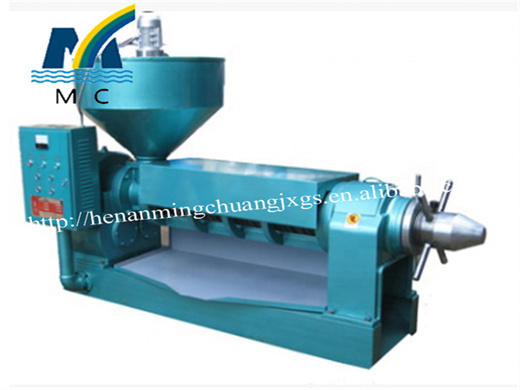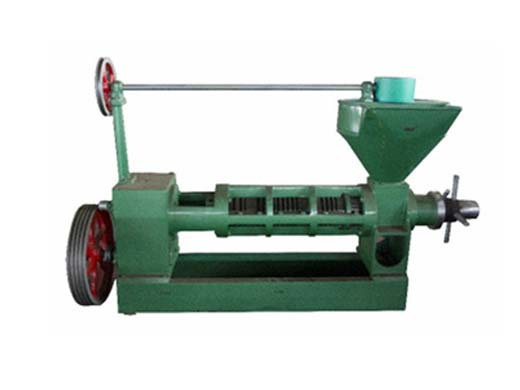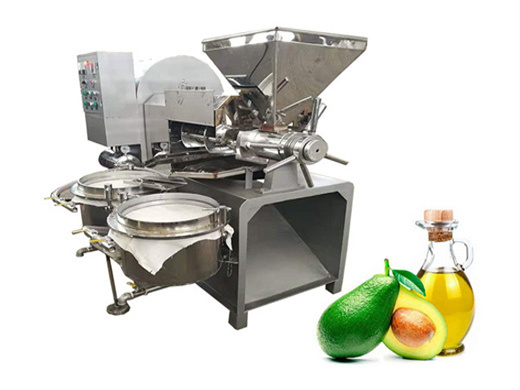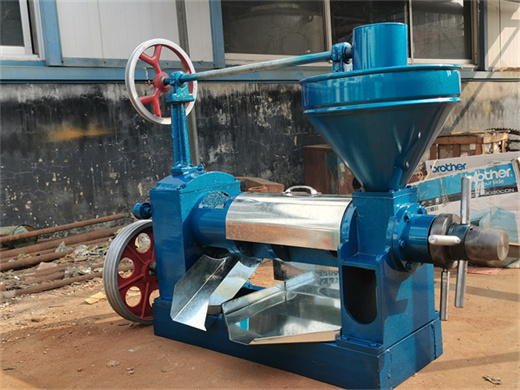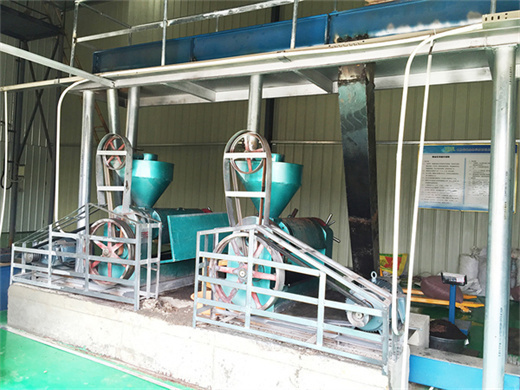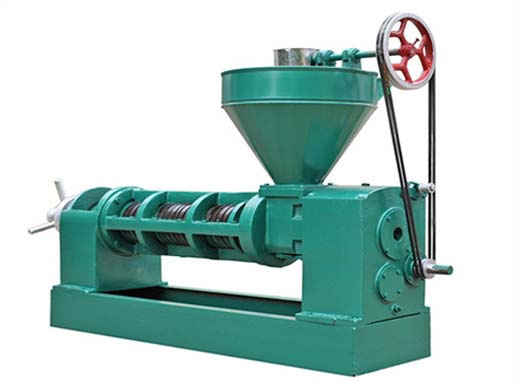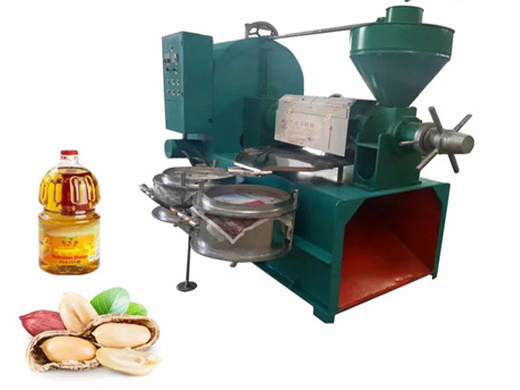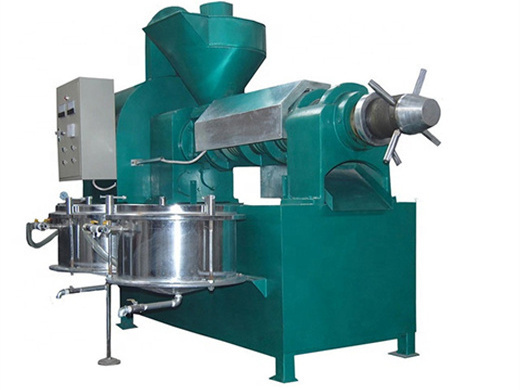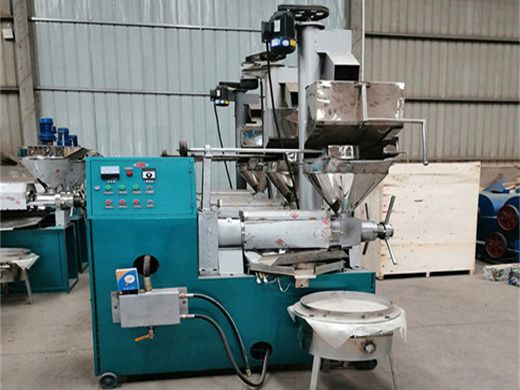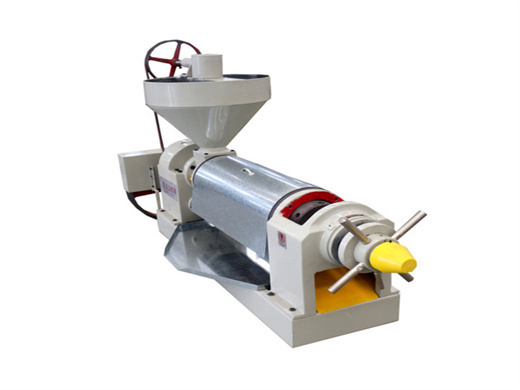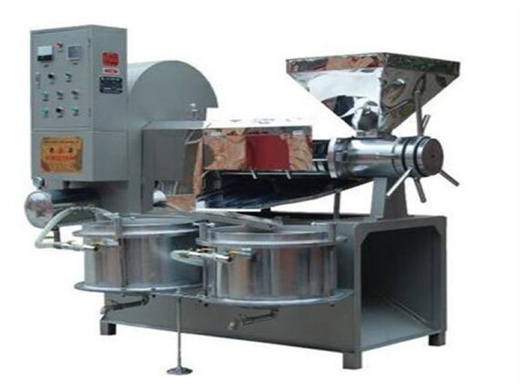
presse à huile camelina sativa personnalisée en indonésie
presse à huile camelina sativa personnalisée en indonésie
- Type: Machine de pressage à froid et à chaud
- Qualité automatique: Automatique
- Capacité de production: 98 %
- Numéro de modèle: LD1
- Tension: 220 V/380 V/440 V
- Puissance (W): 22 kw
- Dimension (L*W*H) ) : 48 m*12 M*15 M(30TPD)
- Poids: 30 tonnes
- Certification: ISO CE
- Service après-vente fourni: ingénieurs disponibles pour entretenir les machines à l'étranger
- Nom du produit: Presse à huile à vis de grande capacité pour arachide
- Avantage: 40 ans d'expérience
- Technologie: nouveau design
- Application: Huile Ligne de production
- Garantie: 12 mois
- Période de production: 45 jours
- Période d'installation: 60 jours
- Type de fournisseur: fabricant
- Support technologique: à vie
- Qualité: niveau supérieur
- Emplacement: au Lesotho
Plantations International Expands Indonesia Camelina Sativa
Camelina Sativa is a genus within the flowering plant family Brassicaceae. Camelina oil is an edible oil that comes from seeds of Camelina Sativa, commonly known as false flax. Camelina oil has ...
Camelina sativa is a promising under-exploited oilseed crop with potential to become a biofuel feedstock. The ability to transform C. sativa would allow for the rapid introduction of novel traits into this emerging crop. We report the development of an Agrobacterium-based floral dip transformation method, requiring no vacuum-infiltration step, with transformation efficiencies up to 0.8%. C ...
Camelina sativa, a short gestation oilseed crop with biofuel
Camelina [Camelina sativa (L.) Crtz.] is a member of the family crucifereae (Brassicaceae), which includes mustard, rapeseed, turnip, broccoli, cabbage, rutabaga, cauliflower, brussels sprout and several other crops. It is an under-exploited oilseed, low input crop and was the favourite one used in oil lamps and edible purpose from the Roman ...
Hence, there is an increasing interest in exploring the use of non-edible plant oils for industrial applications. One such emerging oil seed crop is Camelina sativa, generally known as camelina, which has limited use as a food oil and so is currently being explored as a feedstock for various industrial applications in both Europe and North ...
The emerging biofuel crop Camelina sativa retains a highly
Camelina sativa is an oilseed with desirable agronomic and oil-quality attributes for a viable industrial oil platform crop. Here we generate the first chromosome-scale high-quality reference ...
Camelina ( Camelina sativa (L.) Crantz) is a Brassicaceae oilseed crop with valuable agronomic and biotechnological attributes that make it an attractive renewable feedstock for biofuels and bio-based materials. Camelina seeds contain 30–40 % oil and can achieve oil yields per hectare that surpass established oilseed crops such as soybean.
Camelina sativa meal hydrolysate as sustainable biomass for
Background As the circular economy advocates a near total waste reduction, the industry has shown an increased interest toward the exploitation of various residual biomasses. The origin and availability of biomass used as feedstock strongly affect the sustainability of biorefineries, where it is converted in energy and chemicals. Here, we explored the valorization of Camelina meal, the ...
Camelina ( Camelina sativa (L.) Crantz) is a Brassicaceae oilseed crop with valuable agronomic and biotechnological attributes that make it an attractive renewable feedstock for biofuels and bio-based materials. Camelina seeds contain 30–40 % oil and can achieve oil yields per hectare that surpass established oilseed crops such as soybean.
Enhancement of Abiotic Stress Tolerance in Camelina sativa
Camelina (Camelina sativa (L.) Crantz] (Brassicaceae) is a plant currently being researched as an alternative oilseed crop.The interest in Camelina is growing rapidly because the species has several agronomic advantages: high productivity, low-input agriculture, cold weather tolerance, short growing season (85–100 days), grows well in semi-arid regions, and low-fertility or saline soils.
Conclusions about camelina adaptability and productive potential can be drawn from the data collected. Overall, camelina growing season was reported to be relatively short, supporting the stability of the investigated traits, which may make its inclusion into traditional crop rotations easier (Zanneti et al., 2017).